Every Gun Is Loaded Until You Prove Otherwise
If someone hands you a gun and says, “It’s not loaded,” don’t rely on it.
Always check for yourself – crack the breech and confirm it’s safe.
Once the gun is in your hands, you are responsible for it.
Never Point a Gun at Anything You Don’t Intend to Shoot
Be aware of where your barrel is pointing at all times.
Unless it’s directed over the firing line, the muzzle should be pointed at the ground.
Take extra care when standing up, kneeling, or getting into position at a peg.
Keep Your Finger Off the Trigger
Your finger should only touch the trigger when you are ready to fire.
Line up the shot first. Once your crosshairs are on the kill zone, then place your finger on the trigger.
Cold hands, numb fingers, or momentary twitches can cause accidental discharge—so keep your finger off the trigger until you’re fully ready.
Know what’s Behind Your Target
Ask yourself:
- If I miss, where will my pellet go?
- If I’m shooting high in a tree, could the pellet fall onto a road or footpath?
Always ensure there is a safe backstop and only shoot when the area beyond your target is safe.
Treat Every Gun With Respect
Even a sub-12 ft/lbs air rifle is powerful. It can:
- Punch through a metal food can at 40 yards
- Penetrate a fence panel
- Kill small animals
- Seriously injure or kill a person if mishandled
Air rifles may use pellets, but they are still firearms.
If you see unsafe behaviour, speak up. If the shooter doesn’t respond, contact a marshal or range officer.
Never Rely ona Safety Catch
Safety catches can and do fail.
Use them—but never trust them entirely. Continue to apply safe handling practices at all times.
Be Aware of Your Surroundings
Know how the range operates:
- Do they use whistles or klaxons for ceasefires?
- Is there a flag system?
- Is the ground soft or stony? Could a “safe discharge” ricochet back?
Also know where to find:
- First-aid kits
- Emergency exits
- Range entrances
Awareness is a major part of safe shooting.
Handling Air Tanks With Care
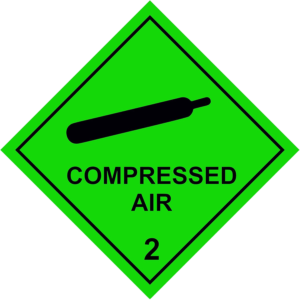
PCP air tanks contain significant pressure and must be treated with respect.
- Do not let tanks roll
around in a car boot. - In the event of a car fire or accident, inform emergency services if a tank is present. A 12L 300-bar tank can cause catastrophic damage.
- Ensure tanks are in test, filling whips are in good condition, and guns are filled slowly.
- Use reputable filling stations.
- Display a green compressed air sticker when transporting tanks in your vehicle.
Store Your Air Gun Safely
After shooting, store your gun out of reach of anyone under 18.
Acceptable options include:
- A gun cabinet
- A locked case
- Securing rifles with a chain or bike lock
- Trigger locks
- Securing them under a bed or in a concealed cupboard
Do not advertise or draw attention to the presence of firearms in your home.
Look After Each Other
If someone is acting unsafely, help guide them.
There is no need to be rude—but if someone is pointing a gun in an unsafe direction, a raised voice may be justified. Safety comes first.
Safety Glasses
We highly recommend wearing safety glasses at all times on the range.
They help protect your eyes from ricochets and debris.